Article Summary
When buyers search for expanded metal mesh suppliers, they are usually looking for more than a standard metal sheet. The right supplier should be able to provide consistent opening dimensions, suitable materials, reliable production, and different configurations for industrial, architectural, and decorative applications.
Decorative expanded metal mesh and stainless steel expanded metal mesh are particularly versatile because they combine an open structure with strength, ventilation, and distinctive visual appeal. HIGHTOP supplies expanded metal mesh in raised, flattened, and decorative configurations for applications ranging from building facades and machine guards to walkways, fencing, speaker covers, and BBQ components.
View HIGHTOP Stainless Steel Expanded Metal Mesh
What Is Expanded Metal Mesh?
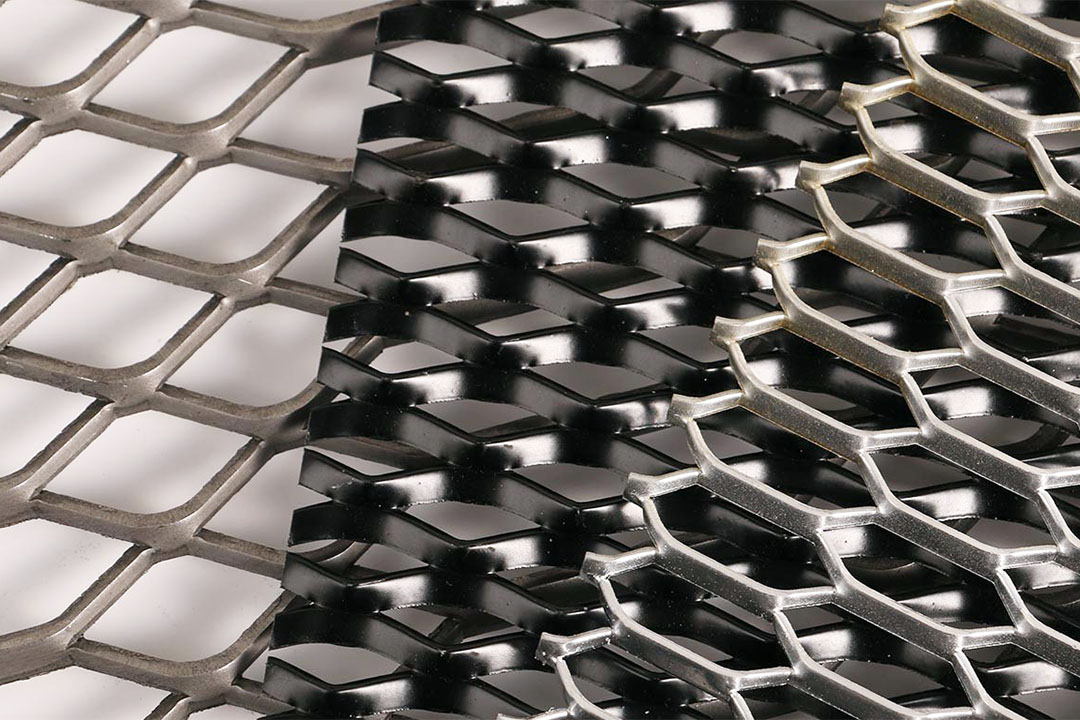
Expanded metal mesh is manufactured from a solid metal sheet through a process of slitting, shearing, and stretching.
Unlike woven wire mesh, which is produced by interlacing individual wires, expanded metal remains a continuous piece of metal. The manufacturing process creates a network of strands and bonds surrounding diamond-shaped openings.
The openings can also be produced in other configurations, including certain hexagonal or decorative patterns.
This continuous construction provides several useful characteristics:
- Good strength-to-weight ratio
- Open and breathable structure
- Air, water, light, heat, and sound transmission
- No significant material waste during expansion
- Easy fabrication and forming
- Distinctive architectural appearance
The absence of significant material waste is an important economic advantage. The original sheet is transformed rather than cut into separate pieces, making expanded metal an efficient alternative for many applications.
Raised Expanded Metal Mesh
Why Work with Professional Expanded Metal Mesh Suppliers?
For commercial and industrial buyers, supplier selection directly affects product consistency and project costs.
A professional expanded metal mesh supplier should be able to control key specifications such as:
- Material
- Sheet thickness
- Opening dimensions
- Strand width
- Mesh length and width
- Raised or flattened configuration
- Surface finish
- Cutting and fabrication requirements
For large projects, these details are particularly important because even small differences between batches can affect installation, appearance, structural performance, and material consumption.
A supplier with multiple production capabilities can also be more flexible when customers require both standard and customized products.
Stainless Steel Expanded Metal Mesh
Stainless steel expanded metal mesh is one of the most durable options available for demanding environments.
Stainless steel provides strong resistance to rust and corrosion while maintaining the continuous structure of expanded metal. This makes it suitable for applications where long service life and low maintenance are important.
Common applications include:
- Building facades
- Machine guards
- Handrails and balustrades
- Equipment covers
- Security barriers
- Industrial platforms
- Decorative screens
- Grilles
Stainless steel is particularly attractive for architectural projects because its metallic appearance can complement modern building designs while providing functional protection.
For environments involving moisture, chemicals, or outdoor exposure, stainless steel may offer a significant service-life advantage over untreated carbon steel.
Decorative Expanded Metal Mesh
Expanded metal is not limited to industrial applications.
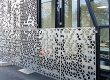
The diamond pattern, metallic surface, and controllable open area make it an attractive material for contemporary architecture and interior design.
Decorative expanded metal mesh can be used as:
- Building facade panels
- Interior partitions
- Ceiling elements
- Privacy screens
- Wall decoration
- Retail displays
- Decorative railings
- Furniture components
The appearance changes according to the opening size, strand dimensions, material, orientation, and surface finish.
This allows architects and designers to use the same basic manufacturing principle to create very different visual effects.
For example, a small opening with a dense strand structure can create a stronger sense of privacy, while a larger opening can provide greater transparency and airflow.
Raised vs. Flattened Expanded Metal
One of the most important decisions when selecting expanded metal is whether to use a raised or flattened configuration.
Raised Expanded Metal
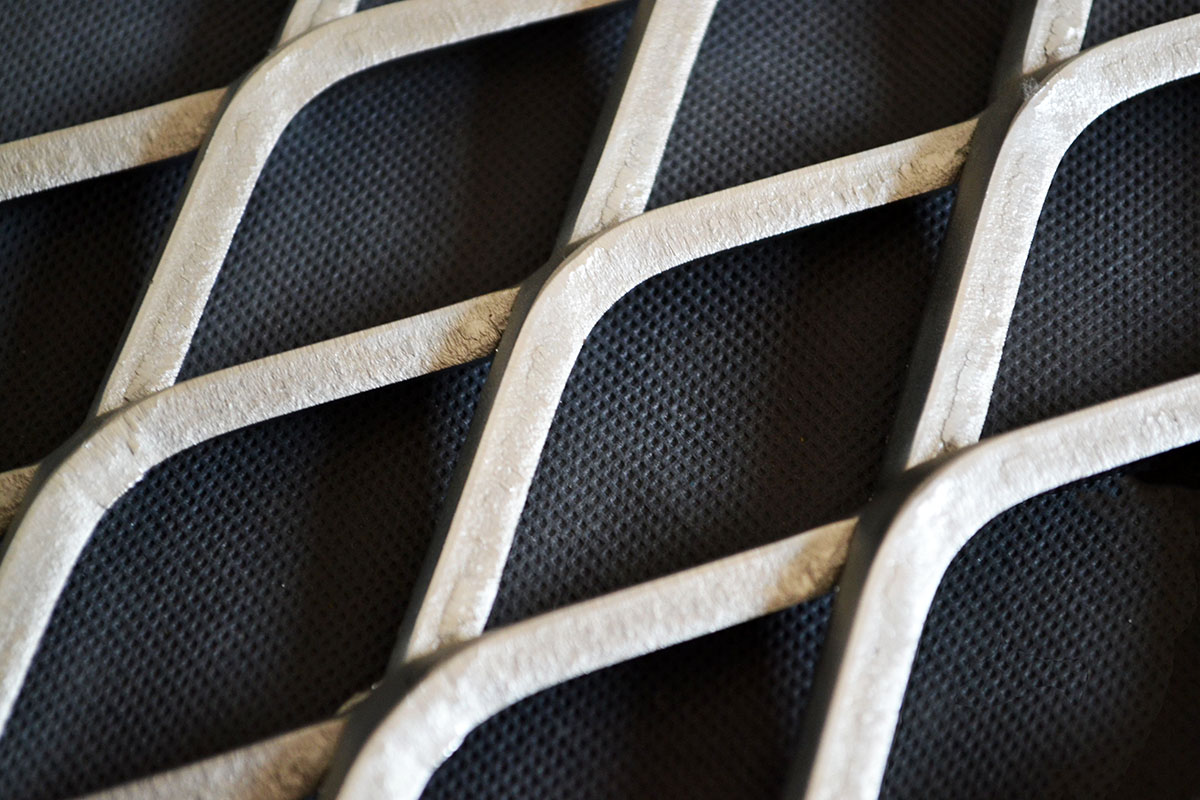
Raised expanded metal retains the three-dimensional profile created during the expansion process.
The raised surface can provide additional texture and grip, making it useful for:
- Walkways
- Platforms
- Stairs
- Grating
- Industrial flooring
- Machine protection
The three-dimensional structure can also create stronger shadows and a more pronounced visual effect in architectural applications.
Flattened Expanded Metal
Flattened expanded metal is processed through rollers after expansion to produce a comparatively flat surface.
It is often selected when a smoother appearance or easier fabrication is required.
Typical applications include:
- Fencing
- Facades
- Machine guards
- Decorative panels
- Speaker covers
- Equipment protection
Flattened mesh can also be easier to handle when the final product requires additional forming or framing.
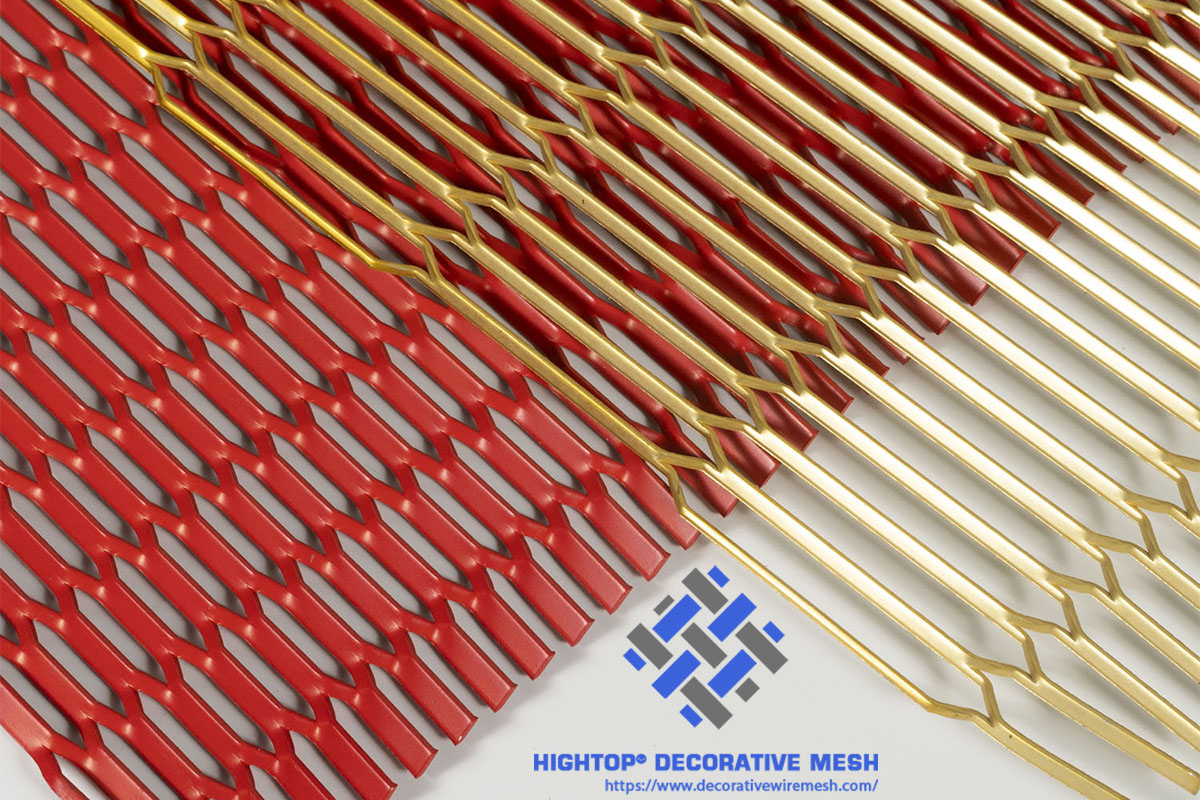
Decorative Expanded Metal Sheet
How Is Expanded Metal Different from Perforated Metal?
Expanded metal and perforated metal are sometimes considered alternatives, but their manufacturing methods and structural characteristics are different.
Expanded metal is slit and stretched, creating a continuous mesh structure without removing the central material from the openings.
Perforated metal is produced by punching or cutting holes through a sheet.
This difference affects material efficiency, appearance, strength, weight, and open area.
Expanded metal can be particularly attractive when buyers want a continuous structure and economical material utilization. Perforated metal may be preferable when specific hole shapes, precise hole arrangements, or decorative patterns are required.
The right choice depends on the application’s functional and aesthetic requirements.
Main Materials Used for Expanded Metal Mesh
Although stainless steel is widely used, expanded metal can be manufactured from different metals.
Common options include:
Stainless Steel
Suitable for corrosion-resistant, architectural, hygienic, and demanding industrial applications.
Carbon Steel
A practical choice when strength and cost efficiency are important. Surface treatment may be added to improve corrosion resistance.
Galvanized Steel
The zinc coating provides additional protection against rust, making galvanized expanded metal suitable for many outdoor and general-purpose applications.
Aluminum
Aluminum provides a lightweight alternative for applications where reducing structural weight is important.
Copper and Brass
These materials are often selected when electrical properties or decorative appearance are important.
Choosing the Right Expanded Metal Specification
Before requesting a quotation, buyers should identify the basic technical requirements.
Opening Size
The opening influences visibility, ventilation, drainage, privacy, and overall appearance.
Sheet Thickness
Thickness affects structural strength, weight, and durability.
Strand Width
Strand width influences the visual density and mechanical characteristics of the mesh.
Material
Select the material according to corrosion exposure, strength requirements, environmental conditions, appearance, and budget.
Surface Configuration
Choose raised mesh when grip or a three-dimensional structure is beneficial. Flattened mesh is generally more suitable when a flatter surface is required.
Applications of Expanded Metal Mesh
The combination of continuous metal structure, open area, and relatively efficient material usage allows expanded metal mesh to serve both industrial and architectural purposes.
Metal Grating and Walkways
Heavy-duty expanded metal can be used for platforms, walkways, stairs, and industrial grating.
The open structure allows water, oil, and debris to pass through instead of accumulating on the surface. Raised expanded metal can also provide useful traction in industrial environments.
Applications include oil facilities, heavy machinery platforms, boiler areas, ships, and other industrial installations.
Machine Guards and Equipment Covers
Expanded metal provides a physical barrier while maintaining visibility and ventilation.
It can therefore be used for:
- Machine guards
- Motor covers
- Electrical equipment protection
- Ventilation guards
- Speaker covers
- Safety barriers
The continuous strands make expanded metal difficult to separate into individual wires, which can be advantageous for protective applications.
Fencing and Security
Expanded metal is widely used for garden fences, highway protection, sports facilities, equipment enclosures, and other barriers.
Compared with a solid metal sheet, the open structure reduces weight and allows air to pass through. At the same time, the diamond pattern provides a clear physical boundary.
For architectural fencing, the mesh opening can also be selected to balance visibility and privacy.
Building Facades and Architectural Screens
For architects, expanded metal offers an alternative to solid cladding and conventional decorative panels.
When installed as a facade or secondary skin, expanded metal can provide:
- Solar shading
- Visual screening
- Ventilation
- Depth and texture
- Privacy
- Decorative value
The appearance can change significantly depending on viewing angle and lighting. This makes expanded metal especially interesting for contemporary architectural projects.
Handrails and Balustrades
Expanded metal can also be fabricated into handrails, balustrades, stair guards, and protective panels.
Its open structure provides visibility while maintaining a physical barrier, making it suitable for commercial, industrial, and public spaces.
BBQ and Grill Components
Expanded metal is also used in BBQ and grill applications because its open structure allows heat and smoke to circulate around food.
Different materials and opening configurations can be selected according to the intended use, temperature conditions, cleaning requirements, and expected service life.
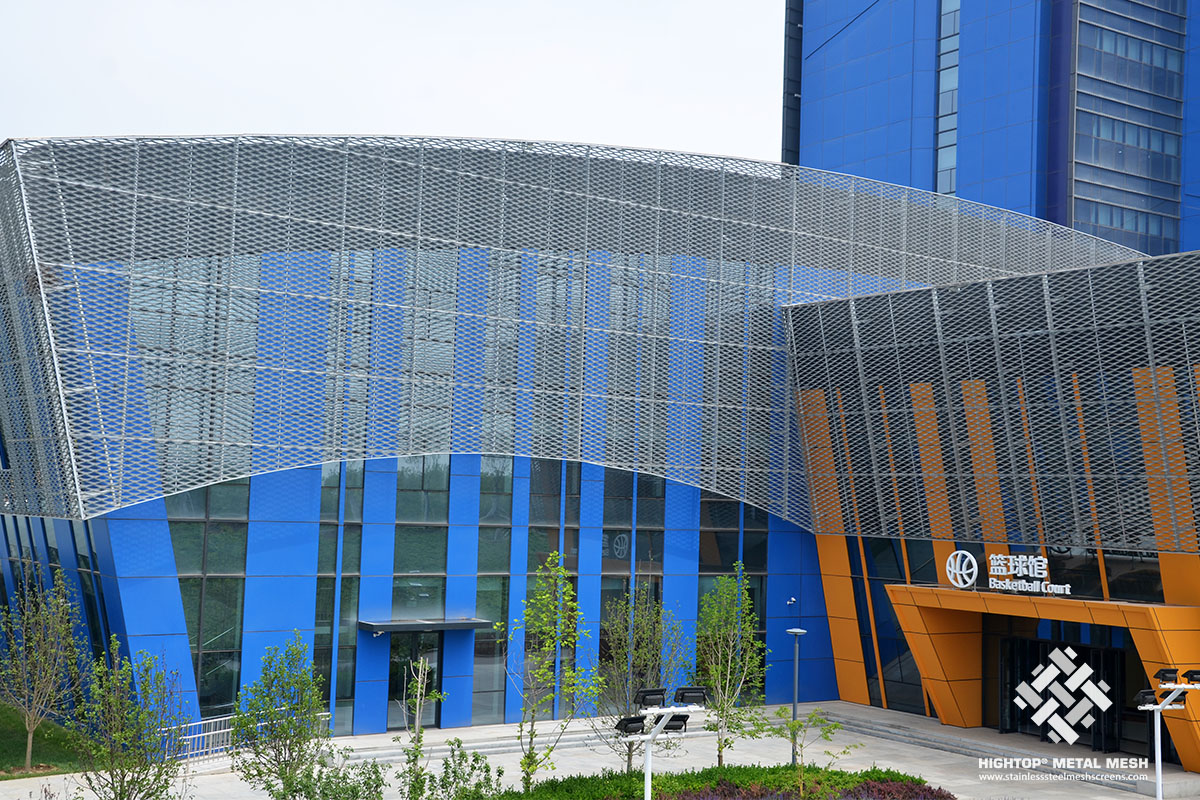
Expanded Metal Facade
What Should Buyers Ask Expanded Metal Mesh Suppliers?
Choosing a supplier based only on price can create problems later, especially for large projects.
Before placing an order, it is useful to confirm several technical and commercial details.
1. Is the Material Specification Clear?
Ask for the exact material and grade rather than simply requesting “metal mesh.”
For stainless steel expanded metal, the required grade should be confirmed according to the application’s corrosion and mechanical requirements.
2. Are the Dimensions Consistent?
Confirm:
- Sheet length
- Sheet width
- Thickness
- Opening size
- Strand width
- Quantity
For projects involving multiple panels, dimensional consistency is particularly important for installation.
3. Can the Supplier Provide Custom Sizes?
Architectural and industrial projects often require non-standard dimensions.
A capable manufacturer should be able to discuss customized sheet sizes, openings, materials, and additional fabrication where required.
4. What Quality Standards Are Used?
For export projects, buyers should understand the manufacturer’s quality-control system and whether inspection documentation can be provided when required.
5. How Will the Mesh Be Packed?
Expanded metal panels can have sharp edges and irregular surfaces, so appropriate export packaging is important.
Packaging should protect the sheets from deformation, moisture, scratches, and handling damage during transportation.
Why Choose HIGHTOP as an Expanded Metal Mesh Supplier?
HIGHTOP provides expanded metal products for industrial, architectural, and commercial applications, including raised expanded metal mesh, flattened expanded metal sheet, and decorative expanded metal.
The company can supply stainless steel and other metal options according to application requirements.
Its expanded metal products can be used for:
- Metal grating
- Machine guards
- Garden fencing
- Building facades
- Handrails and balustrades
- Speaker covers
- Equipment covers
- BBQ components
- Trailers
- Walkways and platforms
For customers who require more than standard sheets, discussing the application and technical requirements with the manufacturer can help determine the appropriate material, opening, thickness, and surface configuration.
Explore HIGHTOP Expanded Metal Mesh Products
How to Request a Quote
For a more accurate quotation, provide the following information whenever possible:
- Mesh type: raised, flattened, or decorative
- Material: stainless steel, carbon steel, galvanized steel, aluminum, etc.
- Sheet thickness
- Opening size
- Strand width
- Sheet dimensions
- Required quantity
- Surface treatment
- Application
- Delivery destination
If the mesh is intended for a specific engineering project, drawings or reference samples can further improve quotation accuracy.
For architectural projects, it is also useful to indicate the desired open area and visual effect. For industrial projects, load requirements, environmental conditions, and operating temperatures may be more important.
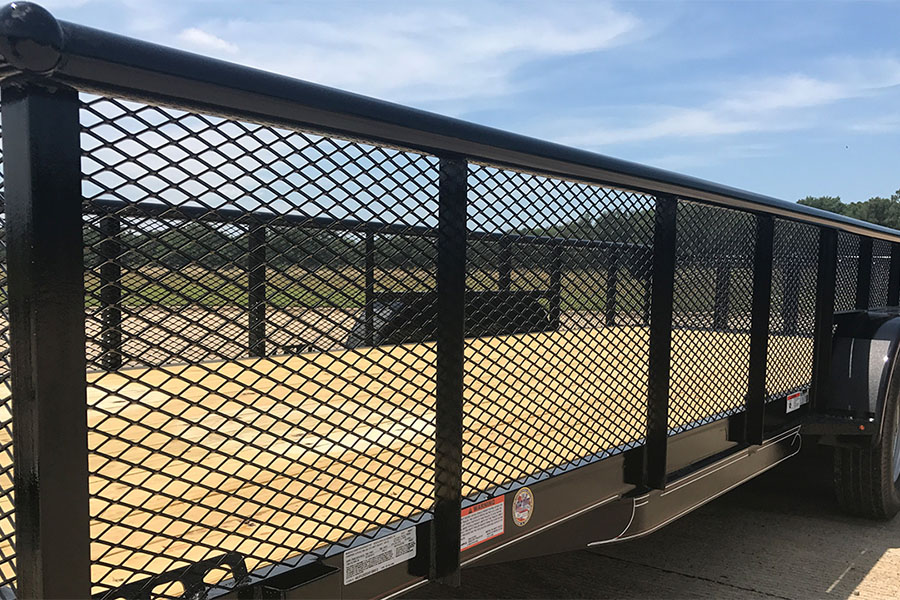
Trailer
Frequently Asked Questions
What is expanded metal mesh used for?
Expanded metal is used for grating, walkways, machine guards, fences, facades, handrails, equipment covers, speaker covers, BBQ components, and decorative applications.
Is stainless steel expanded metal suitable for outdoor use?
Yes. Stainless steel offers strong corrosion and rust resistance and can be suitable for many outdoor environments. The appropriate stainless steel grade should be selected according to the actual conditions.
What is decorative expanded metal mesh?
Decorative expanded metal uses the characteristic open structure of expanded metal as an architectural design element. It can be used for facades, partitions, ceilings, wall panels, screens, and other decorative applications.
What is the difference between raised and flattened expanded metal?
Raised expanded metal retains the raised three-dimensional profile created during manufacturing, while flattened expanded metal is rolled to produce a flatter surface. Raised mesh is often preferred for grip and industrial applications; flattened mesh is frequently used for panels, fencing, and architectural applications.
Does expanded metal waste material?
The expansion process does not remove material in the same way as conventional punching. The sheet is slit and stretched, allowing the original material to form the strands and bonds of the mesh. This makes the process relatively material-efficient.
Can expanded metal be customized?
Yes. Depending on the manufacturing capability, specifications such as material, thickness, opening size, strand dimensions, sheet size, and surface treatment can be customized.
Conclusion
Choosing the right expanded metal mesh suppliers means evaluating material, opening, thickness, manufacturing consistency, and application—not simply comparing unit prices. Contact HIGHTOP with your expanded metal requirements for a suitable material, specification, and quotation.
Request a Quote
Please email us by the contact form below, we will get back to you as soon as possible.