
When people first hear that stainless steel wire mesh can rust, their immediate reaction is often disbelief:
“How can stainless steel possibly rust?”
This confusion hides one of the most common misunderstandings about stainless steel.
The short answer is yes—stainless steel wire mesh can rust, but only under specific conditions.
The longer answer can help you avoid costly purchasing mistakes, incorrect material selection, and disappointed customers.
Let’s separate fact from fiction and explain what buyers really need to know when choosing stainless steel wire mesh.
Why Stainless Steel Resists Rust (But Not Forever)
Stainless steel owes its corrosion resistance to a microscopic chromium-rich oxide film, commonly known as the passivation layer.
This protective layer prevents oxygen and moisture from reaching the underlying metal, effectively stopping oxidation—as long as the layer remains intact.
However, the passive film is not indestructible.
It can be damaged by:
- Physical abrasion
- Chemical attack
- Chloride contamination
- Environmental pollutants
Once the protective layer is compromised, moisture and oxygen reach the iron beneath the surface, allowing rust to develop.
Key Fact: Stainless steel is corrosion-resistant, not corrosion-proof. Selecting the correct material grade for the working environment is the key to long-term performance.
Misconception #1: “Stainless Steel Wire Mesh Never Rusts”
This is the most common—and most dangerous—misunderstanding.
The reality is that different stainless steel grades perform differently in different environments.
- 304 stainless steel (18% Cr, 8% Ni) performs exceptionally well in dry indoor environments.
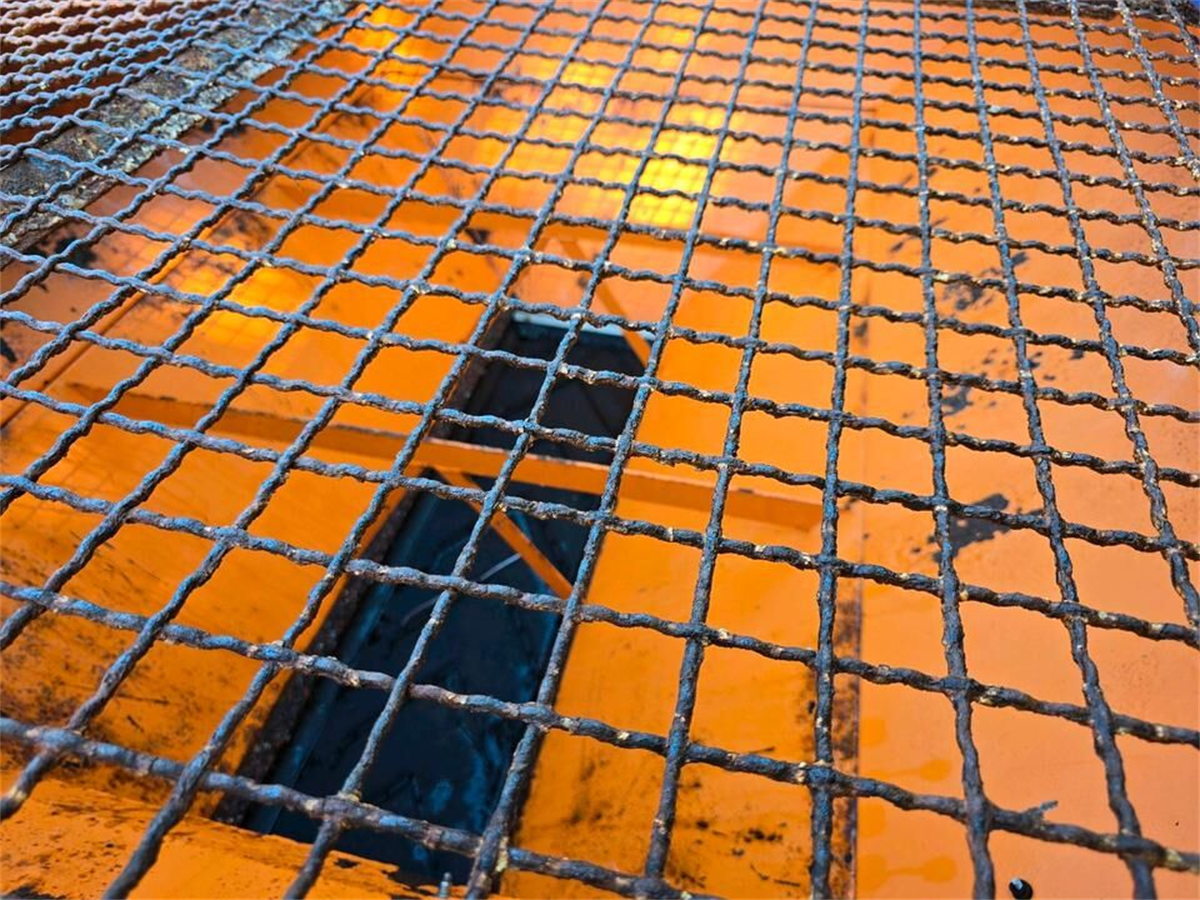
- In coastal areas with salt-laden sea air, 304 may begin showing surface rust within weeks.
- 316 stainless steel (16% Cr, 10% Ni, 2% Mo) offers significantly better resistance to chlorides and pitting corrosion, making it suitable for harsh environments.
Takeaway
“Stainless” does not mean “invincible.”
Always choose the material grade according to the actual service environment.
Misconception #2: “If It Rusts, the Material Must Be Defective”
Not necessarily.
Rust often results from selecting the wrong stainless steel grade rather than from manufacturing defects.
However, quality issues do exist.
Some low-cost suppliers use stainless steel that fails to meet genuine 304 chemical composition requirements, causing premature corrosion even in relatively mild environments.
How Can You Tell the Difference?
Work with manufacturers that provide:
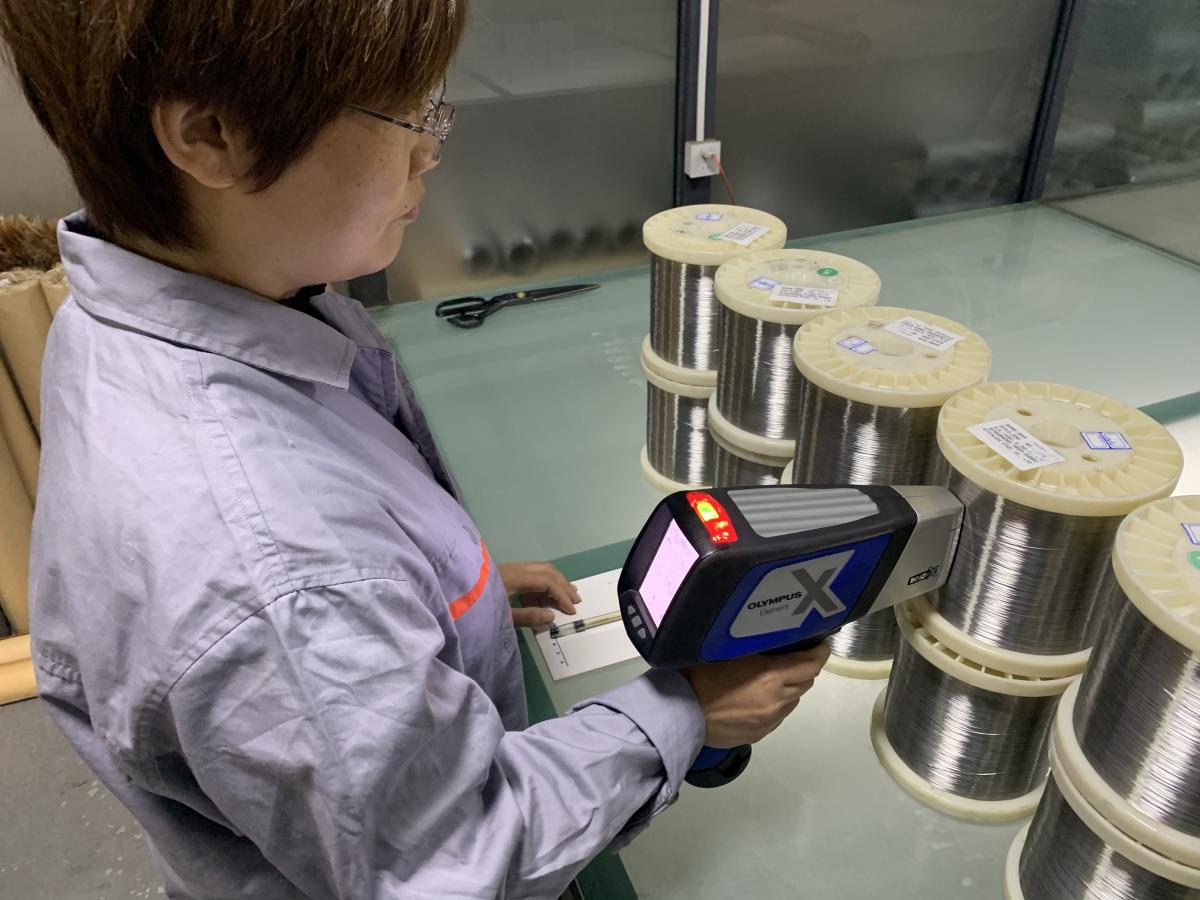
- Spectrometer verification for every raw material batch
- Material Test Certificates (MTC)
- Complete material traceability
Without these, you’re relying entirely on trust.
Key Point
Rust may indicate:
- Incorrect material selection
- Poor material quality
Only a manufacturer with strict incoming material inspection—such as HIGHTOP’s spectrometric verification process—can reliably distinguish between the two.
Misconception #3: “304 and 316 Look the Same, So Either Will Do”
Visually, they are almost identical.
In performance, however, the difference can be substantial.
The addition of approximately 2–3% molybdenum gives 316 stainless steel its well-known marine-grade corrosion resistance.
It is the preferred choice for:
- Coastal construction
- Chemical processing plants
- Food processing involving salt or acidic media
- Outdoor architectural wire mesh in polluted cities
Rule of Thumb
If the application involves exposure to:
- Salt
- Sea air
- Sweat
- Bleach
- Chlorides
choose 316 stainless steel.
The additional upfront investment is minimal compared with premature replacement costs.
Misconception #4: “Cheaper Is Always a Better Deal”
Low-priced “stainless steel” mesh often hides significant compromises.
Common cost-cutting practices include:
- Nickel content below ASTM or ISO requirements
- Using 201 stainless steel instead of 304
- Painting ordinary steel to resemble stainless steel
- Using thinner wire than specified
- Inadequate quality control
These shortcuts often result in:
- Frequent replacement
- Production downtime
- Customer complaints
- Loss of future business
Think Beyond Purchase Price
A quality 316 stainless steel mesh from a certified manufacturer often outlasts several low-cost alternatives, resulting in a much lower total lifecycle cost.
Misconception #5: “Stainless Steel Requires No Maintenance”
Stainless steel is low maintenance, not maintenance-free.
Over time, contaminants can accumulate on the surface and initiate localized corrosion.
Typical contaminants include:
- Iron particles
- Organic residues
- Acidic or alkaline chemicals
- Salt deposits
- Industrial pollutants
Recommended Maintenance
To maximize service life:
- Rinse outdoor mesh regularly with clean water, especially in coastal areas.
- Clean with mild soap and a soft cloth.
- Never use steel wool or chlorine-based cleaners.
- Prevent direct contact with carbon steel, copper, or aluminum to avoid galvanic corrosion.
- Perform annual inspections for early signs of pitting.
Proper maintenance can significantly extend the service life of architectural and food-grade stainless steel wire mesh.
Global Market Snapshot
Demand for stainless steel wire mesh continues to grow worldwide.
The Asia-Pacific region leads global production, driven by rapid industrial expansion.
China currently produces approximately 60% of the world’s stainless steel, while Anping County, Hebei Province, is home to more than 13,000 wire mesh manufacturers, accounting for over 70% of China’s wire mesh production.
However, today’s buyers increasingly prioritize:
- Certified quality
- Material traceability
- Technical support
- Reliable manufacturing
rather than simply choosing the lowest price.
Why Choose HIGHTOP for Stainless Steel Wire Mesh?
With over 15 years of export experience serving customers across North America, Europe, Asia, and many other markets, HIGHTOP has built a reputation for quality, consistency, and technical expertise.
Rigorous Quality Inspection
Every production batch undergoes strict quality control, including:
- Spectrometer verification for every incoming raw material batch
- Salt spray testing for corrosion resistance
- ASTM E2016 inspection standards
- 100% dimensional and visual inspection before packaging
Professional Export Packaging
Every shipment is designed for safe international transportation.
Features include:
- Wooden cases with anti-rust protective film
- Protection against impact, moisture, and scratches
- Customized packaging solutions for bulk orders
Complete Product Traceability
Each roll of mesh carries a unique batch identification code linked to:
- Raw material records
- Production date
- Production operator
- Inspection reports
If any issue arises, complete production records can be traced within minutes.
ISO 9001-Certified Manufacturing
HIGHTOP’s production facilities include:
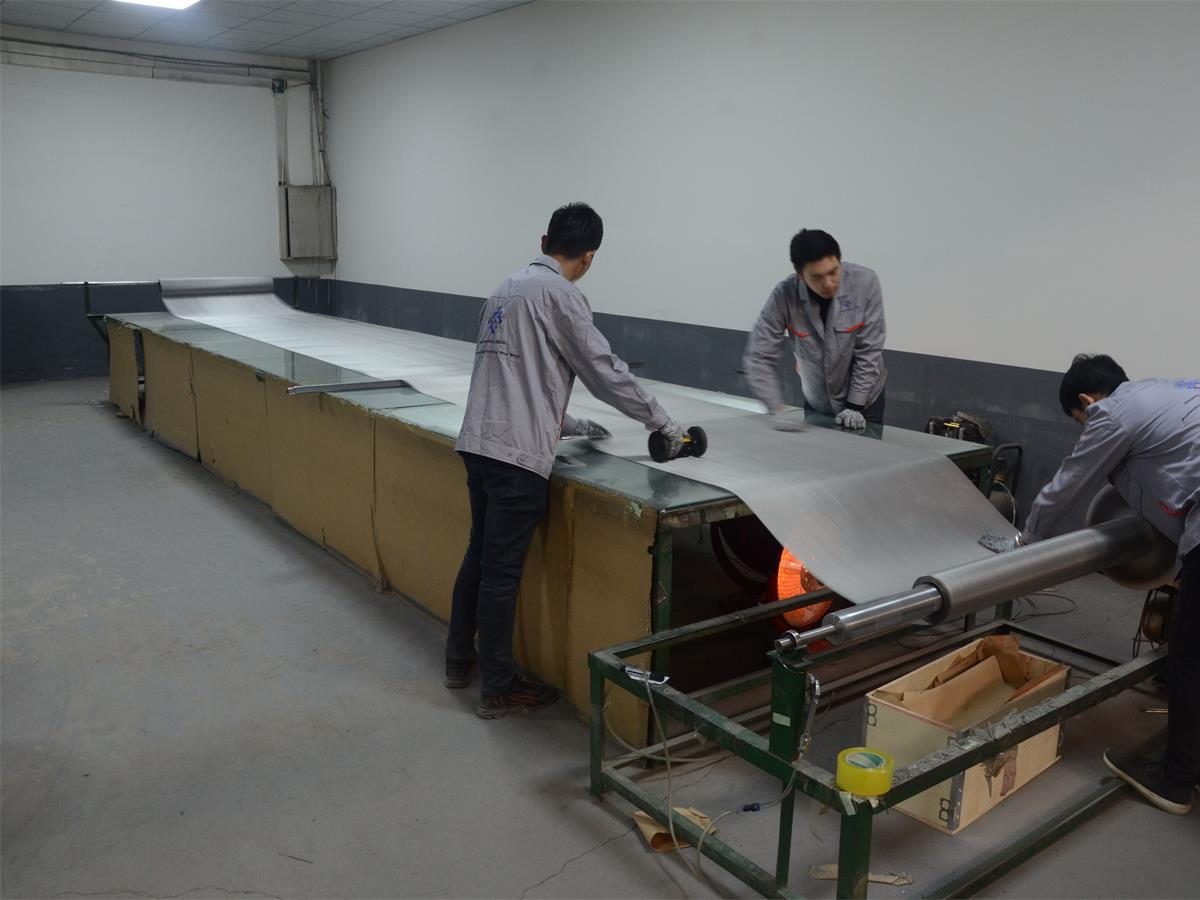
- More than 20 weaving, stamping, and inspection machines
- Extensive inventory covering multiple specifications
- Direct factory pricing
- Flexible minimum order quantities for both sample and large-scale orders
Final Thoughts
So, does stainless steel wire mesh rust?
The answer depends largely on selecting the right material and maintaining it properly.
Material Selection Guide
| Application | Recommended Material |
|---|---|
| Dry indoor environments | 304 Stainless Steel |
| Coastal, marine, chemical processing, food industry, outdoor architecture | 316 / 316L Stainless Steel |
Choose the appropriate grade.
Maintain it correctly.
Do both, and stainless steel wire mesh can provide decades of reliable service.
Partner with HIGHTOP
HIGHTOP Metal Mesh combines:
- ISO 9001-certified manufacturing
- Complete production traceability
- Rigorous material testing
- Professional technical support
Whether you need 304 stainless steel wire mesh, 316 stainless steel wire mesh, or fully customized specifications, our experienced team is ready to help you select the right solution—not just provide a quotation.
Request a Quote
Please email us by the contact form below, we will get back to you as soon as possible.