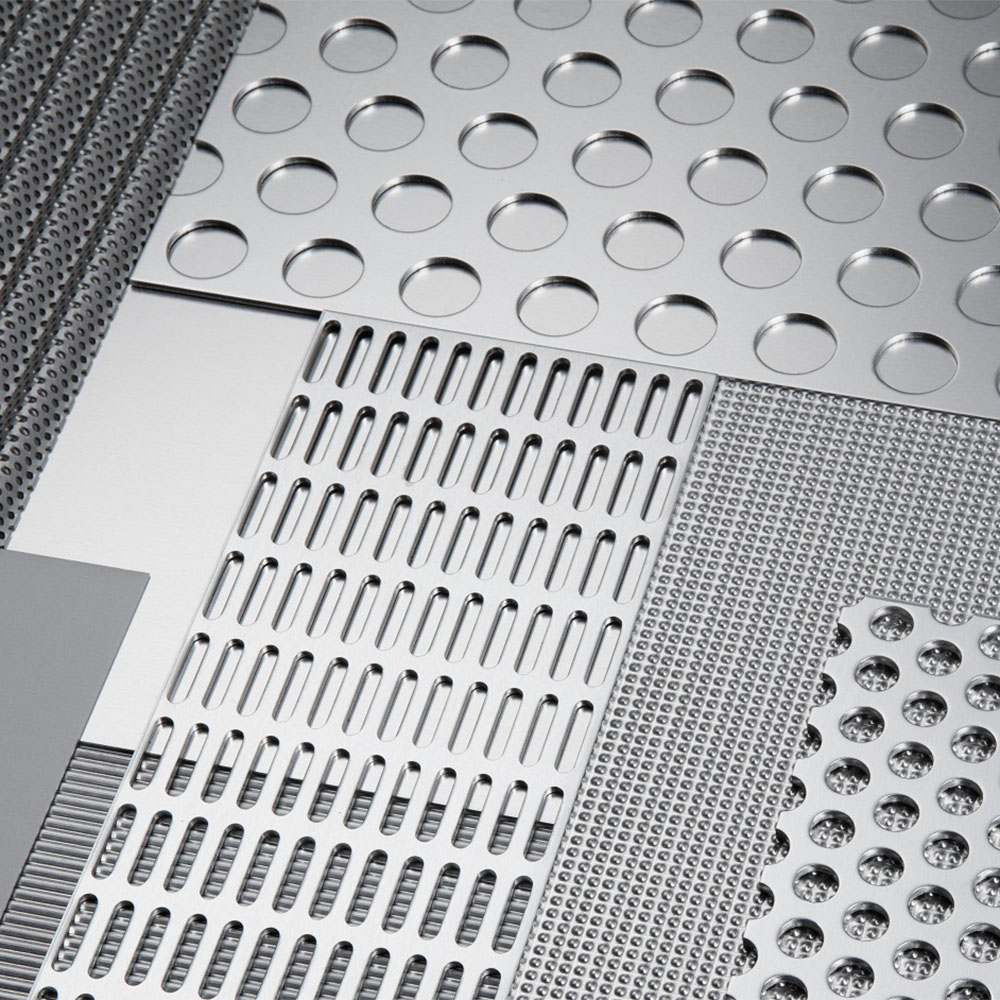
Choosing the correct metal wire mesh grade is essential for ensuring corrosion resistance, durability, and long-term performance in industrial, filtration, and architectural applications.
Metal wire mesh is widely used in:
- industrial filtration systems
- chemical processing equipment
- mining and screening
- food processing machinery
- architectural decorative mesh
However, different environments require different stainless steel wire mesh grades.
The most widely used grades include:
- 304 stainless steel wire mesh
- 316 stainless steel wire mesh
- 310S stainless steel wire mesh
- 904L stainless steel wire mesh
Each grade is designed for different temperature ranges, corrosion conditions, and industrial applications.
Selecting the correct mesh grade can significantly improve equipment lifespan and operational reliability.
What Are Metal Wire Mesh Grades?
Metal wire mesh grades refer to the material composition and alloy classification of the wires used to manufacture mesh products.
Different grades provide different levels of:
- corrosion resistance
- heat resistance
- mechanical strength
- chemical stability
The most common stainless steel mesh grades used in industrial projects are 304, 316, 310S, and 904L.
Quick Selection Guide for Wire Mesh Grades
| Operating Condition | Recommended Wire Mesh Grade |
|---|---|
| Indoor industrial environments | 304 stainless steel mesh |
| Marine or chloride environments | 316 stainless steel mesh |
| High-temperature equipment | 310S stainless steel mesh |
| Strong chemical corrosion | 904L stainless steel mesh |
This table allows engineers and buyers to quickly determine the most suitable grade.
Comparison of Stainless Steel Wire Mesh Grades
| Grade | Main Advantage | Limitation | Typical Applications |
|---|---|---|---|
| 304 | Affordable and versatile | Sensitive to chloride corrosion | filtration, food equipment |
| 316 | Excellent corrosion resistance | Higher cost | marine environments |
| 310S | Exceptional heat resistance | Limited chemical resistance | furnaces and heat treatment |
| 904L | Extreme chemical corrosion resistance | Very expensive | chemical plants |
When to Choose 304 Stainless Steel Wire Mesh
304 stainless steel wire mesh is the most commonly used mesh grade.
It contains approximately 18% chromium and 8% nickel, providing a good balance of corrosion resistance, strength, and cost efficiency.
Typical applications
- food processing filtration
- industrial screening
- ventilation systems
- architectural decorative mesh
Advantages
- cost-effective
- easy to fabricate
- widely available
Limitation
Not ideal for marine or high-chloride environments.
When to Choose 316 Stainless Steel Wire Mesh
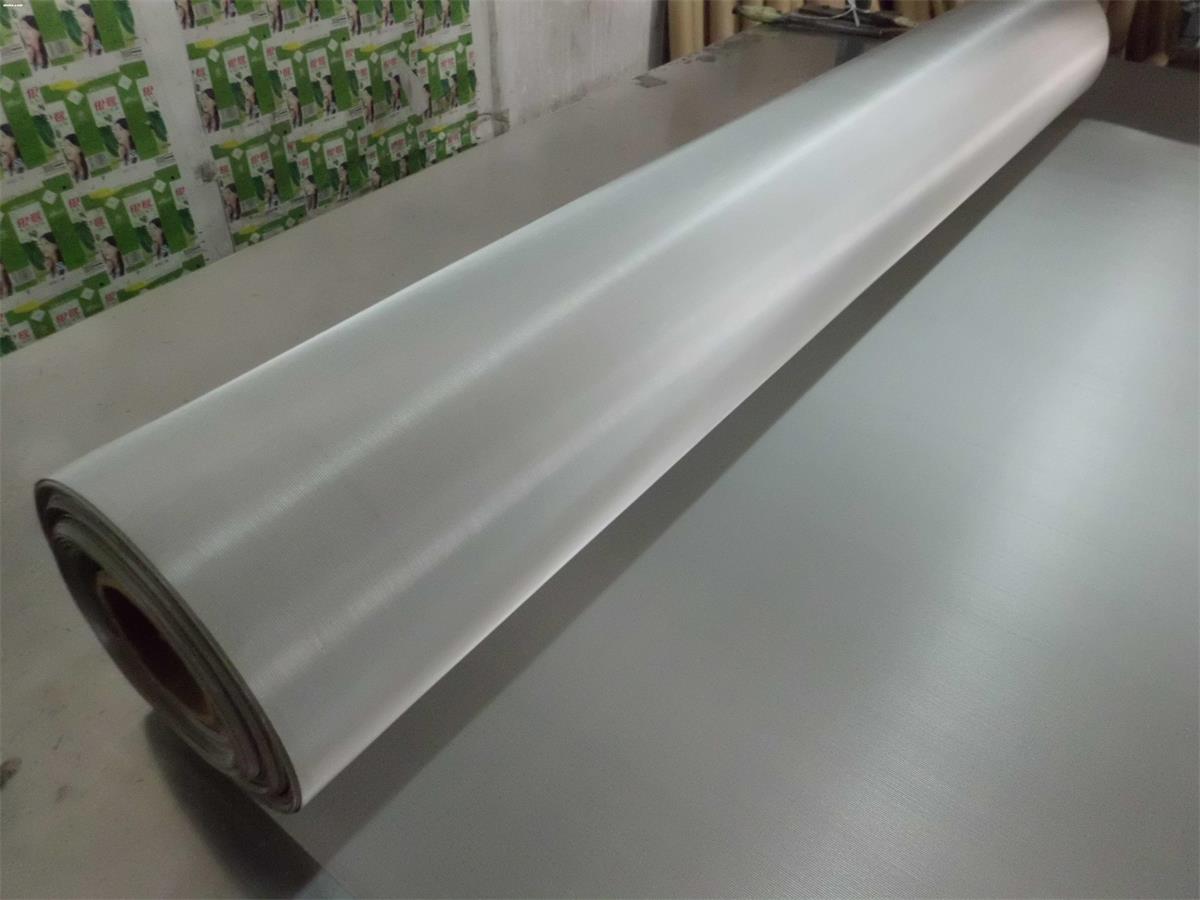
316 stainless steel mesh is an upgraded version of 304.
The addition of molybdenum improves resistance to chloride corrosion.
Typical applications
- marine filtration
- coastal construction
- pharmaceutical equipment
- chemical processing
Advantages
- excellent saltwater corrosion resistance
- longer service life in harsh environments
Limitation
Typically 30–50% more expensive than 304 mesh.
When to Choose 310S Stainless Steel Wire Mesh
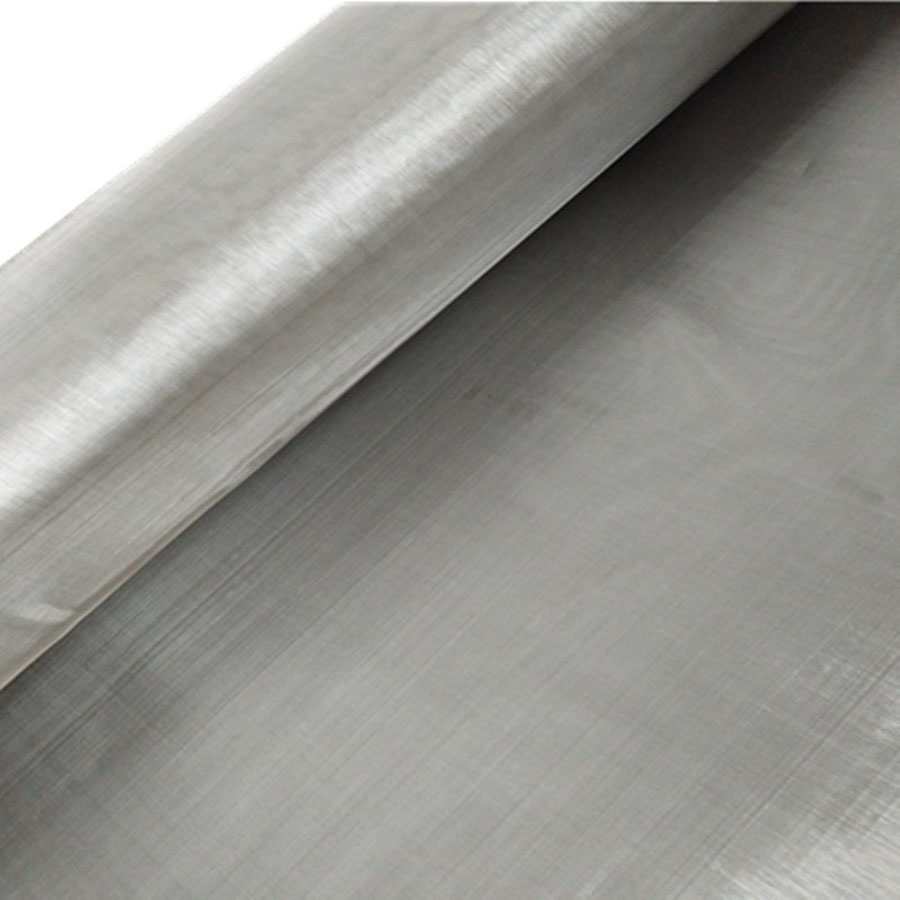
310S stainless steel mesh is designed for high-temperature industrial applications.
Typical applications
- furnace screens
- heat treatment equipment
- exhaust systems
- high-temperature filtration
Advantages
- excellent oxidation resistance
- continuous use up to 1150°C
Limitation
Not optimized for strong chemical corrosion.
When to Choose 904L Stainless Steel Wire Mesh
904L is classified as a super austenitic stainless steel.
It offers exceptional resistance to strong acids and aggressive chemicals.
Typical applications
- sulfuric acid filtration
- offshore equipment
- seawater heat exchangers
- chemical plants
Advantages
- superior corrosion resistance
- excellent durability in extreme environments
Limitation
Material cost is several times higher than 304 mesh.

Step-by-Step Guide to Selecting Wire Mesh Grades
Step 1: Evaluate Operating Temperature
If your system operates above 800°C, 310S mesh is usually required.
Step 2: Evaluate Corrosion Environment
-
Marine environment → 316 mesh
-
Strong chemical exposure → 904L mesh
-
Normal industrial conditions → 304 mesh
Step 3: Evaluate Budget
For large projects requiring cost control, 304 mesh is typically the most economical option.
For aggressive environments, investing in 316 or 904L may reduce long-term maintenance costs.
FAQ
What is the most commonly used stainless steel wire mesh grade?
304 stainless steel wire mesh is the most commonly used grade because it provides a good balance between corrosion resistance, strength, and cost efficiency.
Which wire mesh grade is best for marine environments?
316 stainless steel wire mesh is recommended for marine environments because its molybdenum content improves resistance to chloride corrosion.
Which wire mesh grade is suitable for high-temperature applications?
310S stainless steel wire mesh is designed for high-temperature environments and can operate continuously at temperatures up to approximately 1150°C.
Why is 904L stainless steel wire mesh expensive?
904L contains high levels of nickel, chromium, and molybdenum, which significantly improve corrosion resistance but increase material costs.
Request a Quote
Please email us by the contact form below, we will get back to you as soon as possible.